


720 +



Services
Our HR Services
ESS (Executive Search Service)
Find top-tier leadership talent with precision, confidentiality, and strategic alignment.

Payroll Service
Streamline payroll with accurate, compliant salary processing, tax filings, and reporting – all handled for you.

Mass Recruitment
Scale your workforce fast with high-volume hiring campaigns tailored for speed, quality, and efficiency.

Staffing Service
Flexible staffing solutions to meet your short-term, seasonal, or project-based workforce needs.
EOR (Employer of Record)
Hire in Vietnam without setting up a local entity—we handle legal, payroll, and compliance for you.
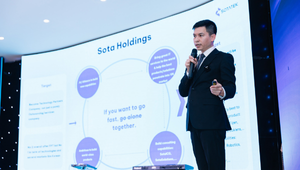
SOTA HOLDINGS
SotaHR is proud to be the 12th member of Sota Holdings
identifying, attracting, and hiring suitable candidates for their job openings.
- Our Mission
- Our Vision
- Core values

Our Mission
9+ Years Of Experience
- Client-Centric Approach
- Full-Spectrum HR Support
- Scalable & Compliant Solutions
- Access to Top Talent

Our Vision
9+ Year Of Experience
- Right Timing, Real Impact
- Precision in Every Placement
- Future-Ready Workforce
- HR as a Growth Driver

Core Values
9+ Year Of Experience
- Integrity
- Accuracy
- Speed
- Cost-Effective
Sota Holdings
Our History

2015
SotaTek was Established
Founded on August 11, 2015, in Hanoi by seven founders in Vietnam

2016
Global Expansion
Successfully laid foundation of global expansion
2017
Vietnam Development Center
Expanded 70% of in-house resources at SotaTek's Vietnam Development Center

2018
Partnerships
Catered to SMEs and MNCs from 14+ countries

2019
APAC Award
Top Asia-Pacific (APAC) Accelerators awarded by Business APAC. Started the "Go Global" Journey with the opening of offices in Tokyo and Osaka

2020
Resillience
Leveraged the COVID-19 pandemic to accelerate global expansion, particularly in blockchain technology

2021
Sota Holdings
Established Sota Holdings; Awarded top 10 ICT - Top Software & Blockchain company in Vietnam

2022
SotaTek Korea & SotaTek US
Launched SotaTek Korea & SotaTek US
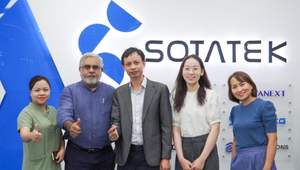
2023
SotaTek Australia
Expanded further, opening an office in Sydney, Australia to tap into the region's burgeoning tech scene

2024
SotaTek Singapore
Continued our global footprint with offices in Singapore, solidifying its position as a truly international IT solutions provider

2025
SotaHR and SotaTek Education
Added 2 new members to Sota Holdings to build a young human resource workforce
Latest Blogs
Our Latest Articles & Resources

123
12312312
Benefits of Outsourcing Payroll Services in Vietnam
Payroll processing can be a complex and time-consuming task that diverts your attention from core business activities. By outsourcing payroll services in Vietnam, you can streamline operations, reduce costs, and ensure compliance with local regulations. This strategic move not only enhances your efficiency but also gives you access to expert knowledge and advanced technology. As you seek to focus on growth and innovation, understanding the benefits of outsourcing can empower you to make informed decisions for your business’s financial health.
Key Takeaways:
- Cost Efficiency: Outsourcing payroll services can significantly reduce operational costs by minimizing the need for in-house personnel and resources.
- Expertise and Compliance: Utilizing specialized payroll providers ensures adherence to local labor laws and regulations, reducing the risk of penalties or legal issues.
- Time Savings: By delegating payroll tasks, businesses can focus on core operations and strategic initiatives, enhancing overall productivity.
- Access to Technology: Outsourcing often includes access to advanced payroll software and tools, providing streamlined processes and accurate reporting.
- Scalability: Payroll outsourcing offers flexibility, allowing businesses to efficiently scale operations as they grow without additional hiring burdens.
Streamlining Business Operations Through Outsourcing
Enhancing Focus on Core Business Functions
Outsourcing payroll services allows you to redirect valuable resources and energy towards the core functions that drive growth and innovation in your business. By leaving payroll to an experienced service provider, your team can concentrate on strategic initiatives, customer engagement, and market expansion rather than getting bogged down by the intricacies of tax compliance and calculations. This shift not only improves productivity but also equips your business to remain agile and adaptive in a rapidly changing marketplace.
In sectors like manufacturing and technology, where every minute counts, having a dedicated payroll expert can lead to a substantial increase in operational efficiency. For instance, companies that successfully outsource payroll often report a 30% improvement in their capacity to meet project deadlines, as their staff can devote more time to crucial, revenue-generating activities. This can be the difference between leading the competition and falling behind.
Minimizing Administrative Burdens
Handling payroll in-house often comes with a myriad of administrative burdens that can obscure the bigger picture of business health. Compliance with ever-changing labor laws and tax regulations demands continual attention and expertise, which can strain your resources. By outsourcing payroll, you eliminate the hassle of keeping up with these regulations, as specialized firms have dedicated teams monitoring compliance and ensuring accurate submissions. This not only mitigates risk but also avoids potential costly mistakes that can result from in-house mismanagement.
Your in-house team can instead focus on initiatives that generate value rather than wrestling with spreadsheets, tax forms, and payroll software. Without the added weight of administrative tasks, employees often experience improved morale and productivity since they can engage more deeply with their work. With payroll responsibilities in the hands of professionals, you can allocate resources more effectively, catalyzing not only efficiency but also enhancing your overall business strategy.
Cost-Effectiveness: The Financial Edge of Outsourcing
Comparing In-House vs. Outsourced Payroll Costs
Handling payroll in-house often manifests hidden costs that can accumulate significantly over time. The expenses associated with hiring full-time payroll personnel, maintaining payroll software, and training employees create a financial burden that many businesses overlook. Transitioning to an outsourced payroll service can streamline these expenses, providing a more predictable and manageable budget. Below is a comparison to illustrate the differences:
Cost Breakdown: In-House vs. Outsourced Payroll
| In-House Payroll | Outsourced Payroll |
| Employee salaries (2-3 staff) | Monthly service fee |
| Payroll software subscriptions | All-in-one software included |
| Training and development costs | No training costs; expertise already included |
| Compliance risk costs | Compliance managed by experts |
| Employee benefits and taxes | Lower operational overhead |
Utilizing an outsourced payroll service allows you to harness specialist knowledge and compliance systems without incurring the high personnel costs of an internal team. The reliability and expertise provided by payroll service providers can translate into significant savings. Moreover, a predictable monthly payment structure replaces variable, unexpected costs that may arise from employee absences or errors in payroll processing.
Eliminating Hidden Costs Associated with Payroll Management
Utilizing an outsourced payroll service means you can effectively eliminate many hidden costs tied to managing payroll internally. Errors in payroll processing can lead to penalties or compliance issues, which can be financially detrimental. An outsourced provider typically has established systems and knowledge of local laws, reducing these risks. Additionally, you free up time for your existing employees, allowing them to focus on more strategic tasks that drive growth.
On top of the immediate financial benefits, outsourcing your payroll management can enhance organizational efficiency. By streamlining payroll processes and minimizing the risk of costly mistakes, you can allocate resources toward business improvement initiatives. This not only proves cost-effective but can also foster a more engaged workforce as employees are able to refocus their efforts on their core responsibilities.
Accessing Expertise and Compliance Assurance
Navigating the Complex Payroll Legislative Landscape
Vietnam’s payroll legislation is intricate, governed by various laws and regulations that can change frequently. Staying updated on the nuances of labor laws, social insurance policies, and tax regulations demands extensive knowledge and resources. By outsourcing your payroll services, you gain access to professionals who specialize in these areas. They are continually educated on the latest legal changes, allowing you to avoid pitfalls that could lead to costly fines or compliance issues. Through their expertise, they can ensure that your payroll operations are not just compliant but also aligned with best practices in employee management. This expertise can be especially beneficial given the complexities of Vietnam’s tax system, which can be cumbersome for businesses without dedicated resources. For instance, understanding how to apply the correct tax rates or manage deductions for individual employees requires in-depth knowledge of local regulations. An experienced payroll service can streamline these processes, ensuring that your company adheres to local customs while remaining competitive and compliant.
Ensuring Accurate Tax Filing and Regulatory Compliance
Accuracy in tax filing extends beyond merely submitting forms on time; it requires adherence to local statutory requirements and an understanding of the implications of misreporting. Payroll outsourcing firms are equipped with advanced software and tools designed to minimize errors and automate the data gathering necessary for precise tax submissions. They continuously monitor regulatory updates so that you don’t have to worry about missed deadlines or changes that impact your filings. Moreover, these professionals perform regular audits and checks on your payroll data, identifying discrepancies before they escalate into significant issues. A study found that businesses leveraging external payroll services witnessed a 40% reduction in compliance-related errors. This proactive approach helps mitigate risks and enhances your overall operational efficiency, allowing you to devote more focus to strategic growth initiatives. Ensuring accurate tax filing and compliance translates into financial stability for your business. The right payroll partner will assist in arranging timely submissions, verifying calculations, and maintaining documentation that satisfies local regulations. This way, you can concentrate on your core business functions without the worry of potential penalties or legal disputes lurking in the background.
Technological Advancements and Innovations in Payroll
Leveraging Cloud-Based Payroll Solutions
Cloud-based payroll solutions have gained immense popularity among businesses in Vietnam, primarily due to their flexibility and ease of access. You can manage payroll from anywhere, as long as you have an internet connection, which eliminates the need for extensive physical infrastructure. Platforms such as PayFit and QuickBooks offer user-friendly interfaces, allowing real-time updates on payroll information, employee details, and tax calculations. By using these solutions, you can seamlessly integrate remote work into your payroll process, making it easier to adapt to the evolving business landscape.
Your data’s security is significantly enhanced with cloud-based solutions, as providers invest heavily in encryption and data security measures. Moreover, these platforms often come with automatic updates to comply with current tax laws and labor regulations. This not only saves time but also reduces the risk of compliance errors that can lead to hefty fines. Engaging with a cloud-based payroll service allows you to focus on core business objectives while your payroll needs are efficiently managed.
Integrating Automation to Increase Efficiency
Automation in payroll processes can drastically reduce manual errors while saving considerable time and resources. By incorporating automated payroll systems, you can streamline functions such as time tracking, tax calculations, and benefits administration. For instance, using tools like Gusto or Zenefits can help automate payroll calculations based on employee hours worked and project completion, drastically reducing the time spent on payroll processing. This efficiency allows you to reallocate your team’s efforts to strategic initiatives that support your business’s growth.
Furthermore, automated systems can provide custom reports and analytics, enabling you to gain valuable insights into your payroll expenditures over time. This data can inform decisions regarding workforce management, employee bonuses, or potential cost-saving measures. With this capability, you can manage your payroll more intelligently, utilizing data-driven insights to make informed financial decisions. Automating payroll not only enhances accuracy but also significantly boosts your operational efficiency, aligning your business processes with industry best practices.
Scalability: Adapting to Business Growth
Flexible Payroll Solutions for Expanding Enterprises
As your business expands, your payroll needs can become increasingly complex. Choosing to outsource payroll services in Vietnam allows you to scale these services efficiently without the burden of constantly re-evaluating in-house capabilities. With the right outsourcing partner, you gain access to customizable payroll solutions that can align with your growth trajectory. For instance, if you’re hiring seasonal staff or growing your full-time workforce, your outsourced provider will be able to adjust payroll systems and processes to accommodate these changes seamlessly. This flexibility ensures that your payroll operations grow in stride with your company, minimizing the risk associated with sudden increases in employee numbers.
Outsourcing gives you the edge of not having to invest in upgrading payroll software or infrastructure as your needs change. Providers typically offer tiered pricing and modular solutions that grow alongside your enterprise, which means you can easily transition to advanced features when you require them, such as automated tax compliance or customized reporting. This adaptability not only saves you from potential growing pains but also lets you focus on strategic initiatives instead of getting bogged down by administrative adjustments.
Managing Seasonal Fluctuations with Ease
For many businesses, the need for a flexible payroll system becomes apparent during peak seasons or special projects when hiring temporary workers is necessary. Outsourcing payroll services helps you manage these seasonal fluctuations effectively without overextending your resources or risking delays in payroll disbursement. Your outsourced provider can swiftly implement changes to accommodate new staff and ensure that payroll is processed accurately and timely, maintaining employee satisfaction even in busy times.
This seamless adjustment during peak periods can significantly impact your business’s operational efficiency. For example, if you run a retail company that experiences a spike in sales during holidays, your outsourced payroll partner can quickly handle the influx of part-time staff payments and comply with varying tax regulations without requiring additional manpower on your part. By managing these seasonal workers smoothly, you can keep morale high and ensure that your core operations continue functioning without interruption.
You can also leverage your outsourcing partner’s expertise to navigate the complexities of temporary worker classifications and compliance with labor laws, allowing you to focus on the main drivers of your business. This proactive approach leads to fewer complications and a better ability to pivot during critical periods without the stress of extensive in-house management.
Improving Employee Satisfaction and Retention
Ensuring Timely and Accurate Compensation
Outsourcing payroll services helps you guarantee that employees receive their salaries on time and accurately, which is fundamental for job satisfaction. Late payments can lead to frustration and can negatively affect employee morale. In Vietnam, where many workers live paycheck to paycheck, ensuring that wages arrive punctually is imperative in creating a stable work environment. Implementing a reliable payroll system that can keep up with changing tax laws and regulations prevents errors that could lead to underpayment or overpayment, allowing employees to focus on their work instead of worrying about their paycheck.
Accuracy is also paramount for trust within your team. When payroll is handled inaccurately, it can lead to disputes and dissatisfaction among employees. An outsourced payroll service specializes in this area, often utilizing advanced technology to compute wages precisely while also preparing for any necessary deductions, bonuses, or overtime pay. You reduce the chances of discrepancies, thus reinforcing the relationship between management and employees through transparency.
Providing Enhanced Employee Benefits and Services
By outsourcing your payroll functions, you can also access a broader array of employee benefits and services that may not have been feasible otherwise. Many payroll service providers offer additional features such as health insurance, retirement plans, and perks like gym memberships. These benefits enhance your employees’ overall compensation package, providing them with valuable resources that can increase job satisfaction. Being proactive about implementing comprehensive benefits can make your organization more attractive to potential hires while retaining your current talent.
A deeper investigate additional benefits reveals opportunities like flexible working arrangements, paid time off for personal practices, or educational stipends for professional development. You can customize these offerings based on what your employees value most. Engaging with your payroll service provider to explore these welfare options can significantly improve your workforce’s contentment and loyalty. Employees who feel valued and supported in their Benefits are likely to remain committed to your organization for the long haul.
Future-Proofing Your Payroll Process
Preparing for Changes in Technology and Regulations
Leveraging advanced payroll software can seamlessly integrate your payroll system with existing HR platforms, improving efficiency and accuracy. You’re likely aware that technological advancements occur at lightning speed, and being adaptable is vital. Automation tools can reduce human error and enhance your ability to manage payroll efficiently, allowing you to focus on core business functions. Regular updates to both software and processes keep you compliant with local laws and industry standards, minimizing the risk of non-compliance fines.
Your payroll process can also be optimized for changes in labor laws and taxation requirements, ensuring you remain adaptable as regulations evolve. Staying informed about upcoming changes will empower you to adjust policies and training to align with the most current regulations, which can save your organization time and resources. For insight into the significance of these aspects, check out this article on Why are payroll services important to your organizations?.
Building Resilience Against Economic Uncertainties
A robust payroll system enables you to respond effectively to various economic fluctuations. With outsourcing, you gain access to market insights that help you adapt your workforce and payroll systems according to changing economic conditions. Reliable payroll services offer advanced reporting features that can help you project costs and develop strategies to manage your cash flow more effectively during tough times.
An outsourced team keeps you informed about economic trends that can impact your workforce, facilitating informed decision-making. This allows you to better manage workforce scalability and labor costs, ensuring that your operations remain sustainable despite unforeseen circumstances. The insights gained from a seasoned outsourcing partner can empower you to make proactive changes that align with evolving economic landscapes.
When you foster resilience through effective payroll practices, you prepare your organization to tackle the uncertainties of tomorrow. Utilizing outsourced payroll services not only stabilizes your current payroll issues but also equips your organization with tools and insights that can protect against unforeseen challenges—allowing you to focus on growth and strategic initiatives.
Summing up
So, when you consider the benefits of outsourcing payroll services in Vietnam, it becomes clear that this option can significantly enhance your business operations. By choosing to outsource, you can focus on your core activities while ensuring compliance with local regulations and improving accuracy in payroll management. This not only saves you time and reduces stress but also enhances the employee experience through timely and accurate payment processes.
Moreover, leveraging the expertise of professional payroll service providers allows you to stay updated with the latest tax laws and labor regulations, minimizing the risk of penalties. If you’re interested in exploring these options further, you might want to look into The outsourcing payroll services in Vietnam. Ultimately, outsourcing payroll can be a strategic move that streamlines your operations and contributes to the overall growth of your business.
Q: What are the primary cost advantages of outsourcing payroll services in Vietnam?
A: Outsourcing payroll services in Vietnam can lead to significant cost savings for businesses. By utilizing an external service provider, companies can eliminate the expenses associated with maintaining an in-house payroll department, such as salaries, benefits, and office space. Additionally, outsourcing can help reduce risks tied to compliance and errors, which can lead to costly penalties. Engaging a local payroll service also allows businesses to take advantage of competitive rates, particularly if the provider has a deep understanding of local labor laws and practices.
Q: How does outsourcing payroll services improve accuracy and compliance?
A: Payroll outsourcing services often employ specialized software and experienced professionals who stay updated on the latest labor laws and regulations in Vietnam. This expertise and access to advanced technologies significantly enhance the accuracy of payroll processing, minimizing the risk of errors that could lead to financial losses or legal challenges. Furthermore, outsourced providers typically have established procedures for remaining compliant with local tax regulations, helping businesses avoid penalties from incorrect tax filings or nonconformance.
Q: What impact does outsourcing payroll have on overall business efficiency?
A: By outsourcing payroll services, businesses can streamline their operations and enhance overall efficiency. This allows internal staff to focus on core business functions rather than getting bogged down with payroll tasks. The time saved can be redirected towards strategic activities that drive growth and innovation. Additionally, outsourcing can enhance employee satisfaction as payroll service providers ensure timely and accurate wage disbursements, contributing to a more positive work environment.

Vietnam Labor Law 2025 – What Foreign Companies Need to Know
Vietnam has been rapidly evolving its labor laws to adapt to a dynamic economic landscape, and the upcoming Labor Law 2025 is no exception. As a foreign company looking to establish or expand operations in Vietnam, understanding the implications of these new regulations is important for your business success. This article will guide you through the key aspects of the Vietnam Labor Law 2025, ensuring you’re well-prepared to navigate the legal framework and foster a compliant work environment.
Key Takeaways:
- Vietnam Labor Law 2025 introduces significant changes in labor contracts, inacluding mandatory written agreements and clearer terms on probation periods.
- The law emphasizes employee rights by enhancing regulations around working hours, rest periods, and overtime compensation.
- New provisions require foreign companies to enhance their duty towards employee training and development, aiming to boost skillsets in the workforce.
- Stricter compliance measures will be enforced for labor disputes, with processes for mediation and arbitration clearly outlined.
- Foreign enterprises must stay updated on changes to severance pay calculations and exit policies to ensure they adhere to Vietnamese laws effectively.
Navigating the New Compliance Landscape for Foreign Firms
Key Changes in the Language of Labor Laws
Recent updates to Vietnam’s labor regulations bring critical changes to terminology and definitions within the law. Language regarding employment relationships has been revamped to enhance clarity. For instance, terms like “employee” and “employer” are more explicitly defined, which eliminates ambiguities that could arise in vendor contracts and employment agreements. Such precision allows you to better understand your obligations and rights under the law, reducing the chances of disputes. As you draft contracts or clarify terms with your workforce, it is vital to incorporate these updated definitions to maintain compliance and foster a transparent employment environment.
The revised terminology doesn’t just clarify roles; it lays out guidelines for contract stipulations, such as probation periods, termination conditions, and grievance processes. These enhancements could significantly influence how you structure your employment contracts with foreign employees or Vietnamese nationals alike. Familiarizing yourself with this new language is imperative because it directly impacts day-to-day operations and workers’ expectations, which, in turn, could affect retention rates and overall workplace morale.
Essential Compliance Timelines and Deadlines
Adhering to the updated Vietnam Labor Law 2025 requires keen attention to timelines and deadlines, especially as they pertain to contract modifications, employee notification periods, and compliance filings. Major changes are set to take effect on July 1, 2025, meaning that aligning your practices with the new law should commence well before this date. In some cases, specific compliance measures may need to be in place as early as the start of 2025. Therefore, the timeframe for preparing your business operations is relatively limited and demands immediate attention.
In the lead-up to compliance, your firm should establish a detailed timeline outlining each step toward compliance and identify which changes impact your unique business model. For instance, if you currently employ contract workers, you will need to ensure that all contracts are updated to reflect the new requirements well ahead of the July deadline. Create a checklist to audit existing contracts and align your human resource policies with the revised regulations, ensuring that proper documentation and procedures are in place. The proactive approach will mitigate risks and prevent potential penalties for non-compliance.
Understanding and adhering to Essential Compliance Timelines not only protects your company legally but also places you in a favorable position to adapt to any future changes in labor law. Expediting updates ensures that you maintain strong relationships with your workforce and uphold a reputation as a fair employer. Implementing compliance measures ahead of deadlines can lead not only to security in operations but also boost employee satisfaction and loyalty.
For further insights on labor practices, consider reading about Working in Vietnam as a foreigner: What you need to know, which can provide additional context for your compliance strategy in the changing legal landscape.
Understanding Workers’ Rights Under Vietnam Labor Law 2025
Expanded Definitions of Employment and Worker Status
The Vietnam Labor Law 2025 broadens the definitions of employment and worker status significantly. This change ensures that a wider range of individuals engaged in different forms of labor—whether they are full-time, part-time, or even freelance—are granted rights and protections previously limited to traditional employees. You might find that employees engaged in gig economy jobs, remote work, or contractual agreements now fall under this law’s protective umbrella. This move is aimed at enhancing job security amidst the rapidly changing nature of work in the digital age.
Additionally, you should be aware that the law explicitly acknowledges different forms of work arrangements that have proliferated due to technological advances. With this expanded definition, your foreign company may need to reassess the classifications of your staff to ensure compliance. Misclassifying employees can result in legal repercussions, including fines or required back payments of wages, which underscores the importance of familiarizing yourself with these updated definitions to avoid pitfalls.
Rights to Fair Compensation and Benefits for Foreign Workers
Under Vietnam Labor Law 2025, foreign workers are granted rights to fair compensation and various benefits that equate to their Vietnamese counterparts. This includes adherence to the national minimum wage, which varies regionally but is designed to ensure that all workers receive a baseline level of income for their labor. Foreign employees must also be informed about their rights to overtime pay, bonuses, and other incentives, which are now more transparently outlined in the law.
Your foreign employees are also entitled to benefits such as health insurance, social insurance, and annual leave, which must be clearly articulated in their employment contracts. These changes not only promote a level playing field but also reflect Vietnam’s commitment to improving labor standards in the face of globalization and increasing foreign investment. More detailed insights on this subject can be explored in our Crash Course on Vietnam Labor Law for Foreigners (2025).
Furthermore, the law stipulates that foreign workers cannot be discriminated against regarding salaries or benefits. This reinforces protection against unjust practices and ensures that all employees, regardless of their origin, receive equitable treatment in the workplace. Your firm should take proactive steps to integrate these rights into your human resources policies, thereby promoting a culture of fairness and respect within your operations in Vietnam.
The Role of Trade Unions in the New Labor Framework
New Obligations for Employers Regarding Union Interactions
Your responsibilities as an employer in Vietnam under the 2025 Labor Law have expanded significantly concerning trade unions. With the law mandating a more proactive approach, you are now required to recognize and engage with registered trade unions in your industry. This includes providing them access to employee information and allowing union representatives to conduct meetings on company premises. The law emphasizes the necessity of facilitating these interactions to promote effective dialogue and cooperation between management and workers.
Moreover, employers must ensure that trade union activities are carried out without interference, which includes protecting representatives from any potential retaliation for their union involvement. Maintaining an open line of communication means not only supporting but also actively participating in joint initiatives aimed at fostering a collaborative workplace environment. Companies that neglect these obligations could face penalties or reputational damage in an increasingly conscious climate surrounding labor rights.
Strengthening the Collective Bargaining Process for Workers
The 2025 Labor Law places a strong emphasis on enhancing the collective bargaining process, empowering workers and their unions to negotiate better terms and conditions for employment. As an employer, you will likely find negotiations becoming more formalized and structured, with unions being afforded more authority during this process. This shift not only elevates the bargaining position of workers but also encourages a cooperative atmosphere that can lead to mutually beneficial agreements.
<pFurthermore, the new legal framework promotes a more transparent collective bargaining environment. Unions have been granted additional access to industry-specific data, such as salary benchmarks and market trends, allowing them to negotiate from a well-informed position. This data-driven approach is expected to level the playing field, compelling employers like you to respond with fairness and flexibility in negotiations. As a result, investing in open dialogue and cooperation can ultimately yield long-term advantages for your business, including enhanced productivity and worker satisfaction.
Adapting Recruitment Strategies to Meet Legal Obligations
Criteria and Procedures for Hiring Foreign Workers
As a foreign company navigating the Vietnam Labor Law 2025, understanding the criteria for hiring foreign workers is vital. The new regulations stipulate that employers must demonstrate that there are no qualified Vietnamese workers available for the position before hiring a foreign employee. This means that you must conduct thorough job market analysis and provide evidence, typically through recruitment campaigns, that local talent was sought but not available. You’ll need to document these efforts meticulously to satisfy legal scrutiny.
Additionally, specialized skills or expertise are now required as criteria for granting work permits to foreign workers. The law has defined a set of professions and key roles that will prioritize foreign hires, particularly in sectors where expertise is scarce in Vietnam. You should familiarize yourself with the list of allowable positions and be ready to validate the qualifications of your foreign workers to ensure compliance with the new hiring procedures.
Addressing Discrimination and Fair Hiring Practices
The Vietnam Labor Law 2025 strongly emphasizes the importance of fair hiring practices. As you establish your recruitment strategies, consider how your approach can foster an inclusive environment that values diversity. The legislation prohibits discrimination based on gender, ethnicity, age, and disability during the hiring process, compelling you to evaluate your recruitment policies. Ensuring that every potential candidate receives equal opportunities means developing structures that scrutinize unconscious biases in job descriptions, evaluation criteria, and interview processes.
Moreover, compliance requires that you provide training to your HR personnel on fair hiring practices, promoting a culture of inclusivity. It’s beneficial for your company to embrace programs and initiatives that celebrate diversity, as doing so not only adheres to the law but enhances your employer brand, attracting a broader talent pool. Regular audits of your hiring processes can also help to pinpoint areas for improvement and reinforce your commitment to fair practices.
Building a fair and equitable recruitment strategy goes beyond compliance; it can also significantly impact your company’s reputation and operational effectiveness. By creating a workplace that is perceived as inclusive and just, you strengthen your ability to attract top talent across diverse backgrounds. This proactive approach not only minimizes legal risks but also cultivates a more dynamic and innovative workforce, ultimately contributing to your company’s success in the evolving Vietnamese market.
Revamped Regulations on Working Hours and Leave Entitlements
Limits on Work Hours and Mandatory Overtime Provisions
The 2025 Labor Law introduces stricter limits on working hours, reducing the maximum allowable hours from 48 to 44 hours per week for most employees. This significant change not only seeks to enhance the well-being of workers but also aligns with global labor standards. Overtime is now capped at 50 hours per month, with exceptions needing justification and approval from relevant authorities. As a foreign company operating in Vietnam, you must stay compliant with these regulations to avoid hefty fines and potential legal disputes.
Moreover, if overtime work is necessary, it is mandatory for you to offer workers at least 200% of their regular salary for those hours. For specific sectors, such as manufacturing and construction, a clear distinction is made regarding the types of tasks eligible for overtime. Keeping track of employee hours meticulously will therefore be necessary, and you may need to invest in accurate time-tracking systems to support compliance.
Expanded Leave Policies and Employee Wellness Initiatives
Vietnam Labor Law 2025 broadens the scope of leave entitlements, now allowing employees to take additional days off for personal and family emergencies, without needing to exhaust their annual leave. Employees may utilize up to five additional days each year for such circumstances, showcasing your commitment to employee well-being. Paid parental leave has also been extended from 6 months to one full year, clearly emphasizing support for work-life balance and child development.
In addition to leave entitlements, the law mandates that you implement initiatives aimed at promoting employee wellness. This includes mandatory health check-ups and programs focused on mental health awareness. Companies are encouraged to foster workplace environments designed to support physical and psychological well-being, which can lead to increased productivity and reduced turnover rates. You might consider workshops, fitness activities, or flexibility in work arrangements to encourage healthy lifestyles among your teams.
By adopting these new leave policies alongside employee wellness initiatives, you are signaling to your staff that their health and personal responsibilities are valued. This can improve overall morale and build a strong organizational culture, making your establishment an attractive place to work. Additionally, investing in your employees’ well-being often results in lower absenteeism and higher job satisfaction, benefiting your business in the long run.
Navigating Dispute Resolution in an Evolving Legal Environment
Legal Avenues for Conflict Resolution Between Employers and Employees
In the context of the Vietnam Labor Law 2025, you’ll find a structured framework for addressing conflicts that may arise between employers and employees. This framework emphasizes the importance of written contracts and proper documentation, as failure to adhere to these standards can lead to disputes. Common avenues for conflict resolution include mediation through labor departments, commercial arbitration, and, when necessary, litigation. The amended law encourages employers to first address grievances internally, fostering a culture of communication and resolution before escalating matters to external parties.
Employers are encouraged to keep detailed records of employee performance and any grievances filed. For instance, if an employee feels that their contract has been violated, the documentation you maintain can serve as a foundation during any mediation discussions. Utilizing established processes not only expedites resolution but also reinforces your commitment to fair labor practices, positioning your company positively within the Vietnamese market.
The Role of Mediation and Arbitration in Labor Disputes
Mediation and arbitration serve as pivotal mechanisms for resolving labor disputes in Vietnam’s evolving legal landscape. Mediation, often seen as a less adversarial approach, allows both parties to engage in dialogue with a neutral third party. This process can be particularly effective in helping you reach amicable resolutions, thus preserving relationships and reducing potential work disruptions. In cases where mediation fails, arbitration offers a binding resolution facilitated by an impartial arbitrator. This is generally quicker and less formal than court proceedings, making it a preferred option among many businesses.
You might find that mediation not only resolves disputes efficiently but also helps lay the groundwork for future employee relations. The collaborative nature of mediation encourages understanding and mutual respect, ultimately fostering a more harmonious workplace. Arbitration, while more formal, provides definitive outcomes that you can rely on, ensuring compliance with labor law mandates and reducing uncertainty. Both options reflect Vietnam’s commitment to evolving dispute resolution methods under the 2025 labor law, as they adapt to the needs of a modern workforce.
Strategic Implementation of Health and Safety Protocols
Employer Responsibilities Under the New Safety Regulations
You must implement a comprehensive health and safety program that meets the specific requirements set forth under the 2025 Labor Law. This includes conducting thorough risk assessments to identify potential hazards in your workplace and ensuring that all safety protocols are not only established but actively enforced. You are required to provide your employees with adequate training on how to safely carry out their job duties, including proper use of safety equipment and emergency procedures. Regular inspections and maintenance of safety equipment, alongside an effective reporting system for incidents and near misses, can also significantly bolster the safety culture within your organization. Establishing clear roles and responsibilities within your team for safety compliance is vital. Designate a specific officer or team to oversee health and safety protocols, ensuring that accountability is in place. Additionally, engaging employees in safety committees can enhance their awareness and commitment to health and safety practices. Transitioning these obligations into a daily routine, rather than treating them as an afterthought, can foster a safer work environment while reducing the risk of penalties associated with non-compliance.
Compliance Standards for Occupational Health and Safety
Your organization will need to align its operations with the new compliance standards outlined in the updated labor law, focusing on risk management, employee welfare, and regulatory adherence. The 2025 Labor Law emphasizes the necessity of implementing a systematic approach to occupational health and safety management, requiring you to adhere to national and international standards. Failure to comply can result in severe penalties, including fines or operational shutdowns, making it necessary to embed these standards into your operational workflow from the outset. Regular audits and assessments are integral in ensuring ongoing compliance with these standards. You should not only implement initial safety measures but also be prepared to adapt and improve them continuously based on industry best practices and feedback from workers. Integrating a culture of safety into your organizational ethos will not only prevent incidents but can also enhance your reputation and attractiveness as an employer in Vietnam’s competitive labor market. Operationalizing compliance standards includes training programs based on those regulations. Your team should be trained to recognize and mitigate risks effectively, promoting a proactive approach to workplace hazards. Keeping abreast of amendments and updates to safety regulations will also ensure your strategies remain relevant and effective over time.
Preparing for Future Labor Trends Shaped by 2025 Laws
The Impact of Technology on Employment and Labor Relations
Technology is redefining how businesses interact with their workforce, reshaping employment landscapes and labor relations. As you incorporate more automated systems and digital platforms, consider how these shifts can affect your organizational structure and the nature of work. Remote work and artificial intelligence are now integral to many industries, meaning that your labor policies need to account for both the opportunities and challenges that technology presents. For instance, AI tools can streamline recruiting processes, yet may inadvertently introduce bias, necessitating a closer examination of your hiring practices and compliance with emerging regulations.
In light of the laws set for implementation in 2025, you’ll likely need to enhance your understanding of employee rights in digital environments. Monitoring online conduct and ensuring cybersecurity for your employees’ data are paramount obligations. The evolving definitions of workplace safety and harassment now extend beyond physical spaces into virtual realms, meaning your compliance strategies must adapt accordingly to protect both your business and your workers.
Anticipated Changes in Workforce Demographics and Needs
The demographic composition of the labor force in Vietnam is changing, leading to a shift in workforce needs that you need to address proactively. By 2025, a significant increase in the number of millennials and Gen Z workers is anticipated, who often prioritize flexibility, work-life balance, and corporate social responsibility. This will require you to rethink your benefits packages and work culture, ensuring they align with these younger generations’ values and expectations.
Additionally, as Vietnam continues to urbanize and broaden its educational initiatives, you’re likely to encounter more highly skilled applicants in the job market. Tailoring recruitment strategies to attract this talent will involve not only competitive salaries but also career development opportunities and a strong commitment to diversity and inclusion. Organizations must foster an environment that encourages collaboration and innovation, especially as employees seek workplaces that contribute positively to their personal and professional growth.
As the demographic landscape evolves, understanding the diverse needs of your workforce is imperative. Employees may seek greater support for mental health and well-being, desirable workplace environments, and opportunities for upskilling. By staying ahead of these trends, you can enhance employee satisfaction and retention, ultimately boosting productivity as your team grows more engaged and aligned with your company’s mission.
Summing up
As a reminder, understanding the Vietnam Labor Law 2025 is vital for your business’s successful integration into the Vietnamese market. This new framework introduces various changes that could impact your operations, including new regulations on labor contracts, worker rights, and workplace conditions. By familiarizing yourself with these evolving laws, you can ensure that your company remains compliant while fostering a positive work environment for your employees. Additionally, adapting your business practices to align with these regulations can enhance your reputation and competitiveness in this dynamic market.
By staying informed about the key aspects of the Vietnam Labor Law 2025, you can effectively navigate the challenges and seize the opportunities that come with operating in Vietnam. It will equip you to establish fair labor practices that benefit both your workforce and your organization. As you move forward, consider seeking local legal expertise to support your understanding and compliance efforts, ultimately contributing to your company’s long-term success in Vietnam.
FAQ
Q: What major changes are expected in the Vietnam Labor Law 2025 that foreign companies should be aware of?
A: The Vietnam Labor Law 2025 is set to introduce several significant changes aimed at improving labor rights and working conditions. Key updates include enhancements in parental leave policies, stricter regulations on working hours and overtime, and the introduction of minimum wage adjustments in line with inflation and economic conditions. Foreign companies operating in Vietnam will need to revisit their HR policies to ensure compliance with these new standards, which are intended to align with international labor practices and improve employee welfare.
Q: How will the enforcement of labor rights under the Vietnam Labor Law 2025 impact foreign companies?
A: Enforcement of labor rights under the Vietnam Labor Law 2025 is expected to become more stringent, with increased monitoring by governmental agencies. This means that foreign companies must not only comply with the new regulations but also proactively implement internal policies that uphold labor rights. Companies may face higher penalties for non-compliance, including fines and potential operational restrictions. As a result, it is important for foreign businesses to invest in compliance training and regular audits of their labor practices to avoid any legal consequences.
Q: What should foreign companies consider regarding employee benefits and working conditions as mandated by the Vietnam Labor Law 2025?
A: Under the Vietnam Labor Law 2025, foreign companies will be required to offer enhanced employee benefits, including improved health and safety measures and increased paid leave entitlements. Companies should assess their current employee benefits packages to ensure they meet or exceed the new legal requirements. Furthermore, fostering a workplace culture that prioritizes employee well-being and satisfaction can help in attracting and retaining talent. Being proactive in updating workplace policies and facilities in accordance with the law will be vital for compliance and operational success in the Vietnamese market.
Ultimate Guide to Executive Search Services in Vietnam
You need to navigate the complexities of hiring top-tier talent in Vietnam, and understanding executive search services is key to your success. This guide will provide you with vital insights into the landscape of executive recruitment, helping you make informed decisions as you seek the ideal candidates for your organization. From identifying the right firms to understanding their processes, you’ll find valuable information tailored to your needs in the Vietnamese market.
Key Takeaways:
- Understanding the local market and cultural nuances is crucial for effective executive search in Vietnam.
- Collaborating with experienced local partners can enhance the quality of candidate sourcing and improve placement success.
- Utilizing a mix of traditional recruiting methods and digital platforms can broaden the candidate pool and attract top talent.
- Emphasizing employer branding and company culture is vital in attracting high-level executives in a competitive job market.
- Regularly assessing and adapting strategies based on market trends ensures continued effectiveness in executive search efforts.
Navigating Vietnam’s Unique Business Landscape
Cultural Nuances Impacting Hiring Practices
In Vietnam, cultural nuances play a significant role in hiring practices. The collectivist nature of Vietnamese society means that relationships and networks (or “guanxi”) are often prioritized over individual merit. When you engage in executive search, understanding the value placed on interpersonal connections is vital. This means establishing trust and rapport can often tip the scales in favor of candidates who may otherwise seem less fit on paper but shine in their interpersonal skills and cultural fit. Moreover, the influence of seniority and hierarchy in Vietnamese workplace culture cannot be overlooked. Executives are expected to maintain a level of formality and respect in their interactions, which impacts how candidates present themselves during interviews and negotiations. As you navigate these cultural dynamics, consider tailoring your approach to align with local expectations, whether that’s via formal communication or emphasizing the importance of team cohesion.
Economic Factors Influencing Executive Recruitment
Vietnam’s rapid economic growth, with a projected GDP growth rate of around 6.5% for 2023, has transformed the recruitment landscape. This burgeoning economy offers numerous opportunities for businesses, yet it also intensifies competition for top-tier talent. Your recruitment strategies must adapt to this high-demand market, as businesses vie for executives who can leverage Vietnam’s growth potential while managing the challenges that come with it. Factors like foreign direct investment (FDI) have created a demand for specialized talent in sectors such as technology, finance, and manufacturing. As companies expand their operations or introduce new technologies, they seek executives who not only possess the necessary skills but also understand the local market’s intricacies. Knowing the average salary ranges and benefits attractive to candidates in various sectors can significantly enhance your search.
- Understanding regional economic disparities in Vietnam is key.
- Identifying industries experiencing growth can guide your recruitment focus.
- Building awareness of candidates’ expectations regarding compensation and work-life balance will enhance your strategies.
Understanding these economic drivers that shape executive recruitment will enable you to position your organization as a leader in attracting exceptional talent. Furthermore, awareness of local incentives offered by the Vietnamese government for industries such as renewable energy or tech startups can inform your approach to recruitment and retention. Knowing the industry trends and economic shifts can position your organization favorably in this competitive landscape.
- Keeping an eye on government policies that may affect hiring, such as tax incentives, can provide a competitive edge.
- Utilizing data-driven insights to align your search with market trends and demands enhances your strategy.
- Networking and attending local business events can keep you informed about the evolving economic landscape.
The Anatomy of Executive Search Services
Defining Executive Search: Distinction from Recruitment
Executive search services are tailored specifically for sourcing and attracting high-level executives and specialized talent for your organization. Unlike general recruitment, which can often be a volume-driven process focused on filling positions, executive search involves a strategic and targeted approach. You’re not just searching for any candidate; you’re looking for individuals who exemplify the leadership qualities and strategic foresight to drive your business forward. This difference significantly impacts the approach taken, as executive search consultants often engage in deep market research and discreet outreach to identify and persuade the right candidates to consider your opportunity.
The process is more consultative and in-depth, with consultants spending time to understand your organization’s culture, goals, and specific needs. They leverage their expansive networks and expert knowledge rather than relying on generic job postings. This results in a delineation between passive candidates who may not actively be looking for a job and those who are truly the best fit for your leadership team.
The Role of Consultant: From Analyst to Advisor
Your engagement with an executive search consultant transforms the relationship from simply a service provider to a trusted advisor. Initially, consultants perform comprehensive analyses of your business landscape and potential candidates. This groundwork enables them to develop a deep understanding of your hiring criteria, organizational culture, and strategic objectives. The analytical phase involves profiling candidates meticulously, assessing not just their skills and experiences but also their cultural fit and potential for long-term success within your organization.
As the process evolves, consultants shift from analysts to strategic advisors. They provide insights and guidance throughout the hiring process, advising you on candidate selection, compensation packages, and market trends. Their role extends beyond filling a position; they work to enhance your organizational capability by ensuring you attract executives who can meaningfully contribute to your company’s vision and goals. Their expertise becomes particularly valuable in negotiations, helping you structure offers that align benefits with the expectations of high-caliber executives.
Crafting a Winning Strategy for Executive Search
Identifying Essential Leadership Qualities
Establishing a successful executive search strategy starts with identifying the imperative leadership qualities needed for your organization. Depending on your business goals, the desired traits may shift. For instance, if your company is undergoing a transformation, you might prioritize adaptability and innovative thinking over traditional management skills. A recent study from Harvard Business Review indicates that 56% of executives believe adaptability is the most important trait in a leader today. By focusing on these dynamic attributes, you can ensure that candidates are well-suited to navigate changing market conditions in Vietnam.
Analysis of your specific industry can further hone your insights into the necessary qualities. For example, if you lead a tech firm, technical expertise combined with a strong vision for the future might be pivotal. Engaging with current leadership to gather input on the qualities they deem necessary offers you an additional layer of understanding. This collaborative approach not only aligns your search with the strategic objectives of your organization but also cultivates a shared vision of leadership within your team.
The Importance of Organizational Fit
Finding a candidate who can blend seamlessly into your organization is equally important as their qualifications. A leader’s ability to mesh with your company’s culture can determine long-term success. When searching for executives, consider their values, work style, and interpersonal skills, all while reflecting on your company’s core beliefs and mission. For instance, if your organization champions collaboration, a candidate who thrives in competitive environments might struggle to foster teamwork.
When cultivating a thorough understanding of organizational fit, consider the dynamics of your existing team and the direction you wish to grow. This means looking beyond just skills and experience. Dive into how a candidate’s background aligns with your values, their approach toward challenges, and their history of working within similar organizational frameworks. Incorporating assessment tools and behavioral interviews can also help gauge how candidates may handle various work situations and integrate into your existing team structure.
The Executive Search Process: Step-by-Step
Overview of the Executive Search Process
| Step | Description |
| 1. Initial Consultation | Set expectations and define objectives. |
| 2. Market Mapping | Identify and target the right candidates. |
| 3. Interviewing | Conduct in-depth interviews to assess skills and fit. |
| 4. Reference Checks | Confirm candidate qualifications and suitability. |
Initial Consultation: Setting Expectations and Objectives
During the initial consultation, you and the executive search firm will outline the specific needs of your organization. Clearly defining the role, responsibilities, and expectations for the candidate is paramount. This stage allows the executive search team to understand your company’s culture and strategic goals, which will inform how they source and evaluate candidates. Establishing a timeline for the search process also happens here, providing a framework for collaboration moving forward. Transparency and open communication serve as the foundation during this phase. You should share any concerns or preferences regarding candidate backgrounds, qualifications, and potential career experience. This enables the firm to tailor its search effectively and ensures that both parties are aligned on the end goal: finding the right leader for your organization.
Market Mapping: Targeting the Right Candidates
Market mapping involves extensive research to identify the best potential candidates available in the market. It comprises evaluating not only the skills and experience of prospects but also understanding their motivations and workplace preferences. This comprehensive analysis allows the executive search firm to construct a long list of suitable candidates tailored to your organization’s specific needs. As this process unfolds, competitor analysis also plays a critical role. By examining organizations similar to yours—such as their leadership structure and talent pool—you can gain crucial insights into where to find the most suitable candidates.
The Art of Interviewing: Techniques for Deep Insights
Interviewing in executive search is more than just assessing qualifications; it’s about uncovering the candidate’s character, leadership capabilities, and cultural fit. Experts use behavioral and situational questions to evaluate how candidates have navigated challenges in their previous roles. Creating a rapport during the interview encourages candidates to share authentic experiences, revealing invaluable insights about their leadership style and potential contributions to your organization. A structured interview format facilitates consistency and thoroughness, allowing you to compare candidates effectively. Each question should relate directly to the competencies that matter most for the role. Follow-up questions are also vital, as they dig deeper into candidates’ thought processes.
Reference Checks: Ensuring the Best Fit
Reference checks are a pivotal step in the executive search process, providing a verification layer to claims made by candidates. During this stage, you will learn about the candidate’s past performance, work ethics, and leadership abilities from individuals who have experience working with them. This feedback can be a determining factor in guiding your hiring decision. It’s beneficial to think beyond standard questions; research into the candidate’s impact on team dynamics and their problem-solving capabilities in challenging situations. Detailed discussions with references provide a fuller picture of the candidate’s suitability for your organization’s unique environment. By not skimping on this important stage, you ensure that the selected candidate will not only excel in their role but will also seamlessly integrate into your organization’s culture. This thorough screening process ultimately fosters a strong foundation for long-term success within your company. For further insights on executive search, don’t miss out on the comprehensive guide on [Executive search 101: A powerful guide for beginners](http://vnmanpower.com/en/executive-search-101:-a-powerful-guide-for-beginners-bl1005.html).
The Digital Transformation in Executive Search
Leveraging Technology: Recruitment Platforms and AI
Your executive search strategies can significantly benefit from advancements in technology. Recruitment platforms have evolved beyond simple job boards; they now integrate sophisticated algorithms to match candidates with positions more effectively. For instance, platforms like LinkedIn and Glassdoor utilize AI to analyze vast datasets, allowing you to identify potential candidates who may not be actively seeking new roles but are open to opportunities. This means you can tap into a broader pool of top talent, enhancing your chances of finding the perfect fit for your organization.
Artificial intelligence also streamlines the screening process. Intelligent systems can sort through resumes and rank applicants based on your specific criteria. This reduces the time you spend on preliminary evaluations and lets you focus on what truly matters: engaging with high-potential candidates. Examples from leading firms indicate that companies leveraging AI in their recruitment process have seen a reduction in hiring times by 30%, making it a game-changer in the competitive landscape of executive search.
Social Media’s Role: Building a Brand and Network
Social media is not just a tool for personal branding; it’s an vital component of your recruitment strategy. Platforms like LinkedIn allow you to showcase your company culture, values, and successes, establishing your brand as an employer of choice. Engaging with potential candidates through thought leadership, sharing insights, and showcasing employee testimonials can create a positive perception that attracts professionals who align with your organizational ethos.
Additionally, social media facilitates networking in ways traditional methods cannot. Connecting with industry influencers, participating in relevant groups, and showcasing company achievements can broaden your reach and bolster your reputation within your target market. Consider that over 70% of job seekers consult social media during their job search, emphasizing the need for a robust online presence that resonates with potential candidates.
Common Pitfalls in Executive Search and How to Avoid Them
Overlooking Cultural Compatibility
Cultural compatibility often gets sidelined in the excitement of filling a leadership role. Your organization’s culture has a profound impact on overall team dynamics, employee engagement, and retention. When examining candidates, you should gauge their alignment with your company’s values and work environment. For instance, a top performer in a highly structured corporate setting might struggle in a more flexible and innovative startup culture. A mismatch here can lead to poor job satisfaction and high turnover, making your executive search efforts counterproductive.
To avoid this pitfall, you can implement structured interviews focused on cultural values. Asking behavioral questions that probe past experiences will help illuminate how candidates adapted to different workplace cultures. Engaging current executives in the interview process can also provide diverse perspectives on the importance of cultural fit, ensuring you choose a leader who resonates with the organization’s core values.
Ignoring Candidate Feedback: A Recipe for Disengagement
Involving candidates in the recruitment process creates a positive experience and can serve as a valuable source of insights for your hiring strategy. Ignoring candidate feedback can lead to disengagement not only from the specific role but also from your brand as an employer. Offering candidates an opportunity to voice their thoughts on the process gives them a sense of inclusion and respect, which can ultimately influence their decision to accept an offer if extended.
Encouraging feedback can be as simple as sending surveys after interviews. Questions could focus on their experience, any concerns they might have had, or what they felt about the company culture based on their interactions. Implement the feedback constructively so that candidates feel their input is valued. This practice not only enhances the candidate experience but also equips you with crucial data to refine your executive search strategy.
Failing to Adapt to Market Changes
Staying updated with market trends, industry changes, and talent availability is vital in the executive search landscape. A stagnant approach to candidate sourcing or a rigid set of expectations can hinder your ability to attract the best talent. If economic conditions shift, such as a downturn in your industry or emerging competitors offering more lucrative positions, failing to recognize these changes will put you at a disadvantage. Regular market analysis and benchmarking can provide insights into salary expectations and skills in demand, keeping your search relevant and competitive.
Consider leveraging data analytics tools to track industry trends, salary benchmarks, and candidate behavior. Regularly revisiting and assessing your search strategy allows you to pivot quickly in response to changing conditions. This agility ensures a proactive rather than reactive approach, enhancing your chances of securing top-tier candidates.
Measuring Success in Executive Search
Key Performance Indicators: What to Track
Tracking the right Key Performance Indicators (KPIs) is vital to evaluate the effectiveness of your executive search efforts. Key metrics include time-to-fill, which measures how long it takes to successfully fill a position, and candidate quality, typically assessed through performance evaluations and retention rates. You should also consider the offer acceptance rate, indicating how persuasive and appealing your organization’s value proposition is to candidates. For instance, if your time-to-fill exceeds industry benchmarks (often around 30 to 60 days for executive roles), this could signal gaps in your recruitment process or market readiness.
In addition to these metrics, tracking the diversity of your candidate pool can provide insight into the inclusiveness of your hiring practices. If a disproportionately high number of candidates in your final slate come from similar backgrounds, it may obstruct innovative thinking and adaptability within your executive team. Regularly reviewing these KPIs allows you to identify trends and make data-driven decisions to refine your search strategy and align with your organization’s long-term goals.
Feedback Loops: Continuous Improvement Strategies
Implementing feedback loops enables you to incorporate insights from each executive search into future endeavors. Gathering feedback from both candidates and hiring managers can illuminate areas of strength and identify weaknesses in your search process. After each placement, consider conducting surveys or interviews that reveal the candidates’ experiences and expectations, as well as the hiring managers’ satisfaction with the recruitment process. This constructive criticism not only highlights potential areas for improvement but also enhances the overall candidate experience.
Additionally, fostering communication between hiring teams and executive search firms helps in cultivating a robust partnership geared towards continuous improvement. Weekly check-ins to discuss status updates and aggregate feedback can ensure all stakeholders remain informed and engaged. As changes are made based on the acquired feedback, consistently evaluating the effectiveness of these adaptations through set KPIs can create a dynamic cycle that continuously refines your executive search strategies for optimal outcomes.
Future Trends in Vietnam’s Executive Search Scene
The Rise of Remote Leadership: Implications for Talent Acquisition
Recent shifts towards a more remote work culture have led companies in Vietnam to rethink their executive leadership frameworks. As organizations embrace hybrid and fully remote models, the demand for leaders who can manage distributed teams has surged. You might notice that candidates with experience in remote leadership are increasingly sought after, highlighting the need for headhunting firms to refine their search criteria. A focus on emotional intelligence, adaptability, and digital communication skills now takes precedence over traditional metrics like years of industry experience.
Your search strategies must evolve to identify leaders who not only excel in their respective fields but also possess the ability to inspire and unite teams from afar. This evolution involves leveraging advanced technology and strategic networks to source candidates who thrive in remote environments. Firms adept at integrating these modern requirements into their executive search methodologies will likely gain a competitive advantage, enriching the talent pool available to organizations seeking to navigate this transformative landscape.
Sustainability and Diversity: The New Imperatives
Sustainability and diversity have emerged as critical factors influencing executive search services in Vietnam. Organizations increasingly recognize the importance of sustainable practices and diverse representation within their leadership teams. You may find that firms looking to attract top talent are prioritizing candidates who demonstrate commitment to these values. The Malaysian Institute of Human Resource Management (MIHRM) reported that companies with diverse leadership teams experience significantly better financial performance, reinforcing the need for inclusive hiring practices.
The emphasis on sustainability extends beyond simply hiring diverse candidates; it includes fostering inclusive workplace cultures that support employee engagement and innovation. Prospective leaders are now evaluated not only on their ability to meet organizational goals but also on their alignment with a company’s social responsibility and environmental stewardship. Diversity initiatives often translate into an enhanced employer brand, creating a compelling narrative that attracts high-caliber talent looking to make a meaningful impact in their roles.
Incorporating sustainability and diversity into your executive search strategy isn’t just a trend; it’s an vital aspect of modern talent acquisition. Tenured professionals with a vested interest in these areas can offer fresh perspectives and groundbreaking solutions that align with your organization’s goals. As positioning yourself as a forward-thinking employer hinges increasingly on these values, leveraging executive search services that prioritize this ethos can significantly deepen your talent pool and enhance your competitive standing in the market.
Conclusion
On the whole, navigating the landscape of executive search services in Vietnam requires a blend of understanding and strategy to maximize your recruitment efforts. By leveraging the expertise of local firms, you can tap into a wealth of industry insights that help you find the right leadership talent tailored to your organizational needs. Engaging with seasoned professionals who are familiar with the local market will not only expedite your hiring processes but also enhance the quality of candidates you attract.
Furthermore, ensuring that you establish a clear partnership with your chosen executive search firm allows you to align your company culture and leadership expectations effectively. By taking the time to communicate your specific requirements and being open to thoughtful advice from your search partner, you will be better positioned to identify and secure top-tier executives who can drive your business forward. Your success in executive hiring can significantly influence the trajectory of your organization, so investing in the right search services will lead to lasting benefits for your company in Vietnam.
FAQ
Q: What are executive search services and how do they operate in Vietnam?
A: Executive search services in Vietnam specialize in identifying and recruiting top-tier candidates for high-level positions within organizations. These services typically involve a systematic approach that includes understanding the client’s needs, defining the skills and expertise required for the position, and sourcing candidates through various methods, such as networking, industry connections, and proprietary databases. Executive search firms in Vietnam also conduct thorough candidate assessments and provide insights into the talent market, ensuring that clients have access to the best talent available.
Q: What industries benefit most from executive search services in Vietnam?
A: Executive search services in Vietnam cater to a wide range of industries, with sectors like technology, finance, manufacturing, and healthcare being among the most prominent. Companies in fast-growing markets such as e-commerce and renewable energy also increasingly rely on these services to find qualified leadership. Each industry may have unique requirements and challenges, and executive search firms often tailor their strategies to align with the specific demands of each sector, ensuring that organizations can secure leaders who will drive their success.
Q: How can companies select the right executive search firm in Vietnam?
A: Selecting the right executive search firm in Vietnam involves evaluating several factors, including the firm’s expertise in a specific industry, its reputation, and track record of successful placements. Companies should consider the search firm’s knowledge of the local market dynamics, their understanding of organizational culture, and the methodologies they employ for candidate assessment. It is advisable to have initial discussions with potential firms to assess their approach, and to seek client references to gain insights into their reliability and effectiveness. Clear communication of expectations and alignment of goals will also contribute to a successful partnership.
How to Plan Mass Recruitment for Manufacturing Startups
Manufacturing businesses are rapidly expanding, and effective recruitment is imperative to support this growth. As you navigate the hiring process, knowing how to plan mass recruitment can streamline your efforts and attract the right talent. This guide will provide you with actionable strategies and tips to build a strong workforce for your manufacturing startup, ensuring you secure skilled individuals who will drive your operations forward.
Key Takeaways:
- Define the specific roles and skills needed to align recruitment efforts with production goals.
- Utilize a variety of recruitment channels, including job fairs, online platforms, and community partnerships, to reach a diverse applicant pool.
- Implement a structured onboarding process that accelerates the integration of new hires into the manufacturing environment.
- Adopt a scalable recruitment strategy that allows for adjustments based on production timelines and workforce demands.
- Focus on building a positive employer brand to attract talent and retain skilled workers in a competitive market.
The Strategic Approach to Workforce Demands
Identifying Core Manufacturing Needs
To effectively target your recruitment efforts, first identify the specific skills and competencies that are imperative for your manufacturing processes. This involves breaking down your production requirements into detailed roles, such as machine operators, assembly line workers, and quality assurance technicians. For instance, if your startup specializes in precision engineering, you might need highly skilled machinists adept with CNC equipment and a solid understanding of CAD software. By developing a clear job description for each role, you provide a roadmap for your recruiting team and ensure that you attract candidates who fit the specific technical and cultural needs of your organization.
A key aspect of this identification process is collaboration with existing team members who understand the nuances of each role. Involving line supervisors and operators can bring insights into daily challenges and skill gaps that traditional job postings might overlook. Their perspectives can also guide the design of training programs, which may be vital for onboarding new hires effectively and ensuring they’re entirely proficient from day one.
Forecasting Growth and Workforce Requirements
Establishing an understanding of your company’s growth trajectory directly informs your workforce strategy. In the manufacturing sector, where fluctuations in demand can be dictated by market trends, having a solid forecast allows you to scale your workforce proactively. Consider leveraging various data analytics tools and market research to predict shifts in consumer demand, adjusting your recruitment plan accordingly. If you expect a surge in demand during peak seasons, building a backlog of potential candidates ahead of time streamlines your hiring process, ensuring you have talent ready to deploy as needed.
Integrating feedback from sales, production, and logistics teams supports your forecasting efforts. By analyzing sales projections and previous production rates, you can anticipate workforce needs based on realistic timelines and workload increases. For example, if historical data indicates a 25% increase in production demand during Q4, adjust your recruitment timeline and campaign to preemptively fill positions, removing the rush hiring and enhancing retention rates.
Utilizing workforce analytics can transform your approach to forecasting. Implementing software solutions that integrate operational data, including overtime hours, absenteeism, and production efficiency, enables you to gain insights into workforce dynamics. These analytical tools can also predict turnover rates, allowing you to keep a steady pipeline of candidates ready to fill gaps before they occur.
Crafting an Employer Value Proposition that Stands Out
Building a Compelling Brand Identity
Your brand identity is what differentiates your manufacturing startup from competitors in the hiring landscape. It encompasses everything from your company’s mission and values to the visual representation of your brand. Develop a clear message that communicates who you are and what you stand for. Use elements like your logo, color scheme, and tone of voice consistently across all your recruitment platforms. Consider showcasing employee stories that highlight positive work experiences and the innovation that defines your business stature. This approach not only attracts talent, but also fosters a sense of pride among current employees.
Communicating Workplace Culture and Opportunities
Leveraging Technology for Recruitment Efficiency
Utilizing Applicant Tracking Systems (ATS)
Opting for an Applicant Tracking System (ATS) can significantly streamline your recruitment process. An ATS automates job postings across multiple platforms and consolidates applications into a single database, allowing for easy access and management. By using an ATS, you can filter candidates based on specific criteria such as skills, experience level, and educational background. This not only saves time but also enables you to focus on the top-tier candidates who best fit your manufacturing startup’s needs.
Moreover, integrating the ATS with your existing HR software can provide real-time analytics and insights into your recruitment metrics. For instance, tracking the sources of your most successful hires can inform future recruitment strategies, eliminating guesswork. You can also automate communication with candidates, providing timely updates that enhance their experience, leading to a more engaged candidate pool and reducing drop-off rates during the hiring process.
Harnessing Artificial Intelligence for Candidate Sourcing
Artificial Intelligence (AI) can dramatically enhance your candidate sourcing efforts by analyzing large volumes of data to identify potential talent. With AI-powered tools, you can automate the tedious aspects of sourcing, such as scanning resumes and identifying keywords that match your job requirements. These tools utilize natural language processing, which means they learn and adapt over time, improving the quality of candidates sourced. As a result, you can shift your focus toward building relationships with candidates rather than getting bogged down in administrative tasks.
Investing in AI technologies also allows you to tap into passive candidates who may not be actively looking for jobs but could be a great fit for your company. Solutions like chatbots can engage candidates through conversational interfaces, allowing you to gather information and qualify them before they even submit an application. The continuous advancements in AI algorithms mean that these systems can learn from past hiring successes to provide better recommendations for future roles, further enhancing efficiency.
As you explore AI for candidate sourcing, consider solutions that specialize in manufacturing roles to maximize relevance. Tools designed specifically for niche job markets can better understand the skills and qualifications relevant to manufacturing, thus refining the quality of candidates presented to you. Utilizing this technology keeps you ahead in a competitive labor landscape, allowing for rapid scaling that aligns with the demands of your startup.
Developing Targeted Recruitment Campaigns
Identifying and Engaging Potential Candidates
Understanding your ideal candidate’s profile helps you focus your recruiting efforts effectively. Analyze the skill sets, educational backgrounds, and professional experiences that are most relevant to your manufacturing startup. Utilize platforms like LinkedIn, industry-specific job boards, and recruitment fairs to tap into diverse pools of candidates. Engaging with community colleges, trade schools, and technical institutes that offer manufacturing programs can also yield talented candidates who are keen to start their careers in the field. Participating in local job expos or hosting open-house events at your facility can give you direct access to potential hires, allowing you to both meet and evaluate candidates face-to-face.
Incorporating technology into your recruitment strategy can boost your reach. Use applicant tracking systems to streamline the application process and monitor candidate engagement. Social media platforms can also be leveraged to share your company culture and job vacancies, allowing you to showcase real-time employee testimonials that resonate with audiences. When your candidates see the positive impacts they can make within your startup, they are more likely to engage with your company.
Crafting Tailored Messaging for Different Candidate Profiles
Your messaging should resonate with the various candidate profiles you aim to attract. For instance, if you are targeting experienced professionals, highlight leadership opportunities, benefits, and career advancement prospects within your organization. Conversely, when reaching out to recent graduates, emphasize training programs, mentorship, and the chance to work on innovative projects. Tailoring your job descriptions and advertisements to speak the language of each subgroup can significantly improve engagement rates.
Directly addressing the needs and aspirations of your potential candidates sets the tone for your recruitment campaigns. Sharing stories or case studies of individuals who have successfully advanced their careers within your company can provide relatable and motivational content. Furthermore, don’t overlook the importance of integrating your company’s values and culture into your messaging. This approach not only attracts talent that aligns with your mission but also fosters authenticity, making candidates feel more connected to your brand. In the competitive landscape of talent acquisition, distinct messaging can elevate your recruitment strategy and enhance the effectiveness of your campaigns.
Establishing Strategic Partnerships for Talent Acquisition
Collaborating with Educational Institutions
Forming alliances with local colleges, universities, and vocational schools can be a game-changer for your talent acquisition strategy. These institutions often have robust programs designed to train students in skills directly applicable to manufacturing roles. By establishing internship programs or cooperative education formats, you provide students with hands-on experience while ensuring a steady pipeline of potential employees. This collaborative approach allows you to evaluate students in real work environments, identifying the best fits for your organization.
Engaging in guest lectures, career fairs, or workshops is another effective means of building relationships with educational institutions. By sharing your expertise and insight about the manufacturing sector, you can ignite student interest and showcase your company as an ideal employer. According to studies, companies that actively participate in educational outreach often find a higher retention rate among interns and new hires who have established a connection with the company during their studies.
Building Relationships with Industry Organizations
Connecting with industry-specific organizations delivers advantages in terms of networking, resources, and visibility. Becoming a member of these organizations not only helps you stay updated on industry trends but also grants access to various talent pools. These partnerships can offer internships, job placements, and even career development workshops tailored for individuals entering the manufacturing field. Additionally, partnering with organizations like the National Association of Manufacturers can provide you with a wealth of resources and a larger platform to promote your job openings and brand.
Industry organizations often host conferences, trade shows, and networking events that provide invaluable opportunities for you to meet prospective candidates. By participating as a speaker or exhibitor, you can elevate your company’s profile within the industry and directly engage with attendees who are eager to enter the manufacturing workforce. Establishing these relationships not only enhances your recruitment efforts but also fosters an ongoing dialogue about the skills and traits that will help shape the future of manufacturing. Consistently engaging with these organizations allows you to influence curricula and training programs, ensuring that the emerging workforce is equipped with the right skills for your industry’s evolving demands.
Designing a Robust Onboarding Process
Creating an Engaging Orientation Program
Your onboarding process sets the tone for new hires and plays an imperative role in their long-term success. An engaging orientation program should go beyond a simple introduction to company policies. By incorporating interactive elements, such as group activities, hands-on training, and facility tours, you can foster a connection between new employees and your company’s mission and culture. A well-structured agenda that includes icebreakers can help create a comfortable atmosphere where new hires feel welcomed and valued. This can lead to increased job satisfaction and higher retention rates, as employees begin to see themselves as integral parts of the team.
Additionally, providing resources and materials that cover the imperatives, such as safety protocols and operational procedures, ensures that new employees feel prepared to tackle their responsibilities. Integrating technology, like virtual reality for machinery training or gamified learning modules, can elevate the experience, making it not only informative but enjoyable. By incorporating feedback mechanisms during the first few weeks, you also allow new hires to voice their experiences and suggestions, demonstrating that their input is valued.
Implementing Mentorship and Support Systems
Establishing mentorship and support systems is an effective way to enhance retention and productivity within your manufacturing startup. Pairing new hires with experienced mentors allows them to gain insights into best practices while helping them navigate their new roles. This relationship can ease the transition and foster a sense of belonging, greatly impacting morale. Consider using a structured mentorship program with regular check-ins, where mentors can provide guidance and help trainees set goals. This reciprocal relationship not only benefits new employees but also gives seasoned staff an opportunity to develop leadership skills.
Effective mentorship programs focus on creating meaningful connections. For instance, assigning mentors based on shared backgrounds or interest areas can strengthen the bond and facilitate communication. Regularly scheduled group check-ins and feedback sessions can reinforce this supportive environment, helping both mentees and mentors stay aligned with company goals and cultural expectations. Incorporating success stories from your mentoring program into your internal communications can also promote these initiatives, showcasing their tangible value and encouraging new participants to join.
Measuring Recruitment Success and Making Adjustments
Key Metrics for Evaluating Recruitment Effectiveness
Tracking key metrics can significantly enhance your recruitment efforts. Start by evaluating the time-to-fill, which measures the number of days from when a job is posted until the position is filled. A lengthy timeframe can indicate inefficiencies in your process or that the role may not align with market expectations. Consider also the quality of hire, which assesses the performance and retention of new employees over the first year. This metric gives insight into how well your selection process is working and whether your candidate profiles need updating.
Another valuable metric is the offer acceptance rate. A high acceptance rate typically means your offers align with candidate expectations regarding salary, culture, and job responsibilities. Conversely, a low acceptance rate might signal disparities in your employment proposition compared to competitors. Use these metrics to benchmark your performance against industry standards, making adjustments as needed to enhance your recruitment strategy continually.
Gathering Candidate Feedback for Continuous Improvement
Soliciting feedback from candidates can provide unparalleled insights into your recruitment process. After the hiring process, reach out to candidates—both those who accepted and declined offers—to understand their experiences. Crafting a simple survey can facilitate this feedback. Ask questions about their perception of the application process, interactions with the recruitment team, and the clarity of job descriptions. Use this information to identify any pain points and areas for enhancement.
Moreover, leverage platforms like LinkedIn and Glassdoor for additional qualitative data. Candidates often share their experiences online, providing a broader perspective that may highlight trends in your recruitment process. Actively monitoring these sources allows you to quickly address negative feedback and improve your employer brand. Implementing changes based on qualitative feedback demonstrates to both current and prospective employees that you value their insights, fostering a culture of continuous improvement.
Incorporating candidate feedback not only enriches your understanding but also helps to tailor your recruitment strategies effectively. As you analyze the data, look for common themes across multiple feedback sources. Are candidates struggling with certain aspects of the interview process? Does your onboarding program receive praise or criticism? Addressing these trends can yield significant improvements in your recruitment process and bolster your reputation as an employer of choice in the manufacturing industry.
Preparing for Future Workforce Trends
Anticipating Changes in Manufacturing Needs
As the manufacturing landscape evolves, you must keep your finger on the pulse of industry shifts. The rise of automation, for instance, is reshaping job roles and skill requirements. According to research from the World Economic Forum, over 85 million jobs may be displaced by changes in technology, but 97 million new roles could emerge. You should examine how innovations in robotics and smart technology impact your hiring needs and strive to ensure that your workforce is prepared for these advancements. Adapting your recruitment strategies to align with these trends can help you attract talent that possesses the right skillset for tomorrow’s manufacturing challenges.
Additionally, customer preferences are continually changing, often demanding greater customization and faster production times. By forecasting these trends, you can proactively recruit individuals with the agility and problem-solving abilities necessary to thrive in a fast-paced environment. Use analytics and industry reports to identify the key skills that will be required in the coming years, ensuring that your recruitment strategies remain ahead of the curve. This proactive approach not only helps in hiring the right talent but strengthens your competitive edge.
Investing in Continuous Learning and Development
Your investment in continuous learning and development is not just a benefit but a necessity in today’s fast-paced manufacturing world. As new technologies emerge and processes evolve, employees must constantly improve their skills to remain effective and engaged in their roles. According to a report by McKinsey, companies that provide ongoing training can increase productivity by as much as 25%. Establishing a culture of lifelong learning not only enhances workforce capabilities but also increases employee satisfaction and retention rates.
Creating targeted training programs that focus on both technical skills and soft skills can empower your employees and prepare them for the changing demands of manufacturing. Regular workshops, online courses, and mentorship initiatives can help you stay ahead of trends, equipping your team with the knowledge they need to excel. Furthermore, by integrating technological advancements like virtual reality for training, you can offer immersive experiences that make learning more engaging and effective.
For a strategic approach to your recruitment challenges and to discover more about mass recruitment and strategies for high-volume hiring, explore the valuable insights found at Mass recruitment and strategies for high-volume hiring.
To Wrap Up
Presently, it is necessary for you to establish a solid framework for mass recruitment tailored to your manufacturing startup. Begin by clearly defining the roles and skills required, ensuring you align your recruitment process with the overall vision of your company. By leveraging technology, such as recruitment software and social media, you can widen your reach to potential candidates and streamline the hiring process, making it more efficient. Don’t underestimate the power of building a strong employer brand; potential applicants are more likely to engage with companies that present a positive and appealing work environment.
Your recruitment strategy should also include a comprehensive onboarding program to effectively integrate new employees into your manufacturing startup. Facilitating a smooth transition not only enhances employee satisfaction but can significantly reduce turnover rates, leading to a more stable workforce. By actively seeking feedback and adapting your recruitment methods based on data, you will continuously improve your approach, ensuring that you attract and retain top talent. In this rapidly evolving landscape, staying proactive in your recruitment efforts will set your startup on a path toward sustainable growth and success.
FAQ
Q: What key factors should be considered when planning mass recruitment for a manufacturing startup?
A: When planning mass recruitment for a manufacturing startup, several key factors need consideration. Firstly, define the specific skills and qualifications required for the roles being filled. This involves understanding the technical needs of your manufacturing processes. Secondly, develop a recruitment timeline to align hiring with production schedules, ensuring you have the workforce ready as needed. Finally, consider the recruitment channels you will use, such as job boards, recruitment agencies, and local community outreach, to attract a diverse pool of candidates.
Q: How can a startup effectively reach and attract top candidates for mass recruitment?
A: To effectively reach and attract top candidates, a startup can leverage social media platforms and professional networking sites to showcase the company culture and values. Investing in employer branding is also beneficial; clear communication of growth opportunities and benefits can appeal to candidates. Additionally, hosting recruitment events or job fairs can create personal connections with potential candidates, allowing them to learn more about the startup and express their interest in a direct manner.
Q: What strategies can be implemented to streamline the recruitment process during mass hiring?
A: Streamlining the recruitment process can be achieved through several strategies. First, utilize an Applicant Tracking System (ATS) to automate resume sorting and filter candidates based on prerequisites. Implementing structured interviews helps maintain consistency across candidate evaluations. Furthermore, involving current employees in the recruitment process can expedite hiring, as they can help promote the startup’s work environment and refer suitable candidates. Finally, establish clear communication protocols to keep candidates informed during the recruitment stages, which can enhance their overall experience.
The Future of Vietnamese Workforce – 2025 and Beyond
You are standing at the forefront of a rapidly evolving Vietnamese workforce, poised for significant transformation by 2025 and beyond. As globalization and technological advancements reshape industries, understanding these shifts is imperative for your career and business strategies. This post will explore the emerging trends, skills in demand, and the impact of automation on employment, empowering you to navigate the future landscape confidently. Stay informed to harness opportunities and adapt effectively in this dynamic environment.
Key Takeaways:
- The Vietnamese workforce is expected to shift towards increased digital skills, with a focus on technology adaptations and online proficiency by 2025.
- Young professionals will play a significant role in transforming traditional industries, leading to innovation and the growth of new sectors.
- Workplace flexibility and remote work models are anticipated to become standard practice, influenced by global trends and technological advancements.
- Investment in education and vocational training will be crucial to align workforce skills with market demands, improving employability and productivity.
- Government policies are likely to support the development of a sustainable workforce through initiatives aimed at enhancing labor quality and workforce competitiveness.
The Technological Tsunami: How Automation Shapes Current Job Landscapes
The Rise of AI and Robotics
Your workspace is likely undergoing a transformation brought on by artificial intelligence (AI) and robotics. With the rapid advancement of these technologies, many traditional roles are evolving or being replaced altogether. In Vietnam, AI-driven platforms are increasingly managing tasks such as customer service, data analysis, and even basic content creation. Companies such as MoMo are leveraging AI to analyze user behavior and optimize their services. This shift frees up human workers to focus on more strategic, creative, and interpersonal tasks, signaling a profound change in workplace dynamics.
Robotics is also playing a pivotal role across various industries. Factories in the manufacturing sector are integrating robotic systems that streamline production lines, enhance precision, and improve safety. For instance, car manufacturers like VinFast are adopting collaborative robots that work alongside human employees, increasing efficiency while allowing workers to pivot to more nuanced roles that require human insight. Your technical proficiency may be tested as the demand for roles focused on managing and maintaining these technologies rises.
Sectors Most Affected by Technological Displacement
Several sectors are facing significant impacts due to automation. The manufacturing and agriculture industries have already seen automation take hold, with machines handling tasks that once required a human touch. In urban environments, the retail sector is also witnessing monumental shifts, as self-checkout systems and online shopping platforms gain traction, leading to reductions in traditional cashier roles. Furthermore, the transportation sector is poised for disruption with the rise of driverless vehicles, potentially threatening jobs in logistics and ride-hailing services.
As you consider your career path, it’s vital to identify which sectors are most vulnerable to technological displacement. In Vietnam, the garment industry, a significant employer for many, is moving towards automated sewing and assembly processes. By the end of this decade, it is projected that around 60% of routine processes in manufacturing could be automated. Additionally, the service sector, particularly roles in call centers and administrative positions, are increasingly susceptible as AI technologies become more sophisticated. Adapting to these changes could mean upskilling or exploring fields less likely to be automated in the near future.
Demographic Shifts: The Emerging Workforce Profile
The Generation Z Migration into the Workforce
As Generation Z enters the workforce, their presence is reshaping the landscape of employment in Vietnam. By 2025, this demographic group—those born between 1997 and 2012—will account for a significant portion of your workforce. With their distinct values and expectations, Generation Z prioritizes flexibility, work-life balance, and meaningful engagement over traditional job securities. Businesses that are agile in adapting to these preferences, such as offering remote work options or mental health support, will attract top talent from this generation. For instance, many start-ups are already focusing on creating inclusive environments where Gen Z employees feel empowered to express their ideas and contribute to innovative projects. The skills of Generation Z are also noteworthy. Growing up in the digital age, this cohort is tech-savvy and has a strong inclination towards automation and artificial intelligence. They are well-equipped to handle the complexities of modern workplaces, and their familiarity with technology makes them valuable assets to employers navigating digital transformation. If you’re looking for insights on how the younger generation views the manufacturing sector, check out Vietnam’s Manufacturing in 2025 Through Employees ….
Gender Dynamics and Employment Opportunities
Gender dynamics within the Vietnamese workforce are evolving, presenting both challenges and opportunities. Women now comprise a considerable share of the workforce, especially in manufacturing, services, and technology sectors. Their entry into traditionally male-dominated fields is reshaping the hiring landscape, driving companies to consider gender diversity as a competitive advantage. Strategies that promote women in leadership roles or STEM fields are becoming increasingly vital to meet both talent needs and corporate social responsibility goals. Despite these advancements, disparities in pay and career advancement remain prevalent. For every female worker, there tends to be a gender wage gap that needs concerted effort from employers to address. Moreover, the traditionally held societal views regarding gender roles can still influence hiring preferences. Creating mentorship programs, implementing inclusive hiring practices, and offering parental support are instrumental for companies aiming to ensure equitable advancement opportunities. As businesses recognize the importance of supporting a diverse workforce, they will create environments where both men and women can thrive equally.
Educational Reform: Bridging the Skills Gap
The Role of Universities and Vocational Training
Your journey into the future job market begins here: universities and vocational training programs are redefining their roles to close the skills gap. With nearly 65% of educators and employers in Vietnam agreeing that graduates often lack necessary soft and technical skills, institutions are making strides to innovate curricula and teaching methods. For instance, the Vietnamese government has invested in partnerships between educational institutions and industry leaders, focusing on creating programs that align closely with market demands. This not only enhances the employability of graduates but also ensures that the skills being taught are relevant and applicable in contemporary workplaces.
Vocational training is gaining importance too, as it caters to those who may not seek traditional university pathways. Programs now often include hands-on training, internships, and collaborations with businesses. The rise of industry-specific certifications fosters a practical learning environment, preparing students for immediate entry into the workforce. The expectation is that, by 2025, vocational training will play a vital role in a significant percentage of the workforce, meeting the needs of a rapidly evolving economy.
Lifelong Learning: Adapting to Rapid Change
As you contemplate your career trajectory, the concept of lifelong learning becomes paramount. The future landscape of the Vietnamese workforce will necessitate continual skill upgrades, enabling you to adapt to the rapid pace of technological advances and changing market demands. With approximately 37% of Vietnamese employers indicating that the lack of skilled candidates is affecting productivity, a commitment to ongoing education is necessary. This means embracing various learning platforms—online courses, workshops, and certification programs—that empower you to stay competitive as industries evolve.
Indeed, investing in a mindset focused on lifelong learning not only enhances your personal growth but also contributes to overall workforce resilience. As automation and artificial intelligence reshape industries, the ability to quickly learn new skills and pivot to different roles becomes invaluable. The emergence of micro-credentialing and bite-sized learning opportunities means that you can acquire the necessary knowledge without the long-term commitment of traditional education, tailor-fitting your journey to your unique career aspirations.
Focusing on lifelong learning enables you to develop agility in your career. As job roles and required skills shift, being proactive in acquiring new competencies becomes a strategic advantage. Embracing this mindset prepares you not just to survive but to thrive in an ever-changing landscape, ensuring you are equipped to tackle new challenges with confidence.
Entrepreneurship and Innovation: Catalysts for Job Creation
The Surge of Startups and Small Businesses
Your engagement with Vietnam’s economic landscape reveals a burgeoning ecosystem of startups and small businesses that are redefining workforce dynamics. In recent years, the country has seen an impressive rise in entrepreneurial initiatives, with over 3,000 startups registered in the first half of 2022 alone. This surge is not merely a fleeting trend; these businesses are serving as incubators for talent, creating diverse job opportunities that cater to varying skill sets and expertise levels. Entrepreneurs are exploring various sectors, from technology to sustainable agriculture, fostering a culture of innovation that attracts both local and international investments.
The entrepreneurial spirit is further fueled by a young, tech-savvy population eager to tap into the global market. Your observation of the vibrant co-working spaces and networking events in cities like Ho Chi Minh City and Hanoi illustrates a community of innovators eager to share ideas and collaborate. As these startups expand, they not only create jobs directly but also contribute to ancillary industries, generating a multiplier effect on employment across the economy.
Government Policies and Support Systems
Your involvement in the business community likely highlights the significant role of government initiatives in nurturing entrepreneurship. The Vietnamese government has made strides to improve the business environment, implementing policies that encourage startup formation and simplify the regulatory framework. For instance, the launch of the ‘Startup Vietnam Initiative’ aims to provide funding, mentorship, and resources to emerging entrepreneurs, signaling a commitment to fostering a robust startup ecosystem.
Moreover, incentives such as tax reductions and funding opportunities through the Vietnam National Innovation Center (NIC) further illustrate the government’s proactive approach. By providing access to resources and networks, the NIC is transforming the landscape for startups, which in turn elevates job creation and economic growth. Collaborative efforts between the government and the private sector are becoming imperative, giving startups the tools needed to thrive in an increasingly competitive market.
Globalization’s New Playbook: Competing on a World Stage
The Impact of Trade Agreements and Foreign Investment
The emergence of new trade agreements, coupled with increased foreign investment, has fundamentally altered Vietnam’s economic landscape. Agreements like the Comprehensive and Progressive Agreement for Trans-Pacific Partnership (CPTPP) and the EU-Vietnam Free Trade Agreement have opened doors for Vietnamese products to enter global markets with reduced tariffs. By 2025, these arrangements are projected to boost Vietnam’s GDP by approximately 1.32%, illustrating how interconnected your local economy is with global trends. The inflow of foreign capital not only stimulates job creation but also elevates the production standards across various sectors.
Skills Transfer and Brain Drain Issues
The integration into a globalized economy brings both benefits and challenges regarding skills transfer. While foreign companies often bring advanced training programs and practices that can enhance your skill set, there’s also a trend toward brain drain. Talented professionals are increasingly attracted to opportunities abroad where pay and working conditions are higher. This migration poses a dilemma for Vietnam; while it cultivates a generation of highly skilled workers, it simultaneously faces the risk of losing these valuable individuals to nations willing to offer more enticing opportunities.
The brain drain phenomenon particularly affects sectors such as technology and engineering, where talent is in high demand. For instance, many graduates are seeking employment in countries like the United States and Canada, which can offer competitive salaries and career advancement opportunities. Meanwhile, Vietnam must invest in ensuring that the local job market provides sufficient benefits and growth prospects to retain top-tier talent. To address this, the government and businesses must cooperate closely to create a conducive environment that not only attracts but also keeps skilled professionals within the country.
Sustainable Employment: The Rise of Green Jobs
Renewable Energy Sector Growth
By 2025, Vietnam’s renewable energy sector is projected to see explosive growth, driven by both domestic and international investments. The government’s commitment to achieving net-zero emissions by 2050 has spurred developments in solar, wind, and hydropower. As you explore career opportunities, consider the burgeoning solar energy market, where installed capacity is expected to triple, creating thousands of jobs in engineering, construction, and maintenance. In particular, the recent surge in offshore wind projects along the coastline is set to position Vietnam as a leader in renewable energy in Southeast Asia, giving rise to a new wave of skilled positions you might find enticing.
The potential for green job creation isn’t limited to direct energy production. As regulations tighten around pollution and environmental protection, sectors like green technology, waste management, and sustainable agriculture will also expand, generating diverse employment opportunities. Think about roles in carbon management, where expertise in technology and environmental sciences merges with your problem-solving skills, tailoring solutions suited to local and global challenges.
Corporate Social Responsibility as a Driving Force
Many Vietnamese companies are increasingly recognizing the importance of corporate social responsibility (CSR) initiatives as imperative not just for reputation, but for business growth. As you navigate your career path, you’ll find that businesses dedicated to sustainability often outperform their counterparts financially. For instance, firms that invest in green practices and employee well-being have shown higher employee engagement and retention rates, resulting in a more productive workforce. Your future employer might not only be focused on profit but will actively seek ways to contribute positively to society and the environment.
Furthermore, brands with transparent CSR policies attract the attention of today’s environmentally conscious consumers. Companies like VinGroup are at the forefront of integrating sustainable practices, helping you discover roles that align with your values. The rise of awareness around climate change and social equity means your skills will be in demand in businesses searching for passionate individuals who can drive meaningful change. Fueling corporate commitment to sustainable employment, you can expect a significant shift towards roles that emphasize ethics and environmental stewardship, fulfilling your desire for a job that makes a difference.
The Future of Remote Work: New Norms and Opportunities
Hybrid Models and their Implications for Productivity
As companies pivot to hybrid work models, you’re witnessing a transformation in how productivity is measured and managed. This dual workspace arrangement allows you to split your time between the office and remote locations, which can lead to increased job satisfaction and better outputs. For instance, a study by McKinsey reported that up to 80% of workers prefer flexibility in their schedules, which directly correlates with improved performance metrics. Organizations that adopt hybrid models often find that employees take fewer sick days and report higher engagement levels, as they can create work environments that suit their personal needs.
However, this shift necessitates new methodologies in monitoring and evaluating effectiveness. Businesses employing hybrid models can benefit from precise productivity tracking tools, which help maintain accountability without stifling innovation. Remote communication platforms like Slack and Microsoft Teams provide you with collaborative spaces to share insights and streamline workflows effectively. Ultimately, these advancements imply that your productivity can thrive in a setting that fosters both autonomy and collaboration.
The Impact of Work-Life Balance on Workforce Morale
A balanced professional and personal life enhances morale significantly, and many organizations are starting to take notice. According to research conducted by Gallup, employees who believe they have a good work-life balance are 21% more productive than their counterparts who feel overwhelmed. You may find that having the flexibility to attend to personal responsibilities increases your loyalty to the organization, thereby enhancing retention rates and reducing turnover costs.
Implementing policies that support flexible hours and remote work is vital in promoting a healthy work-life balance. For example, companies offering childcare support or mental health resources report higher levels of employee satisfaction. These initiatives not only improve morale but ultimately lead to a more motivated workforce, one that values their employer’s commitment to their well-being. With emerging technologies enabling remote work, businesses are better positioned to create environments that prioritize balance and well-being, fostering a culture of trust and engagement.
Investing in work-life balance strategies resonates well with employees, as it addresses their holistic needs. Organizations observing this trend actively demonstrate that they value staff as more than just numbers; they become champions of employee wellness and satisfaction. By prioritizing these aspects, you contribute to a thriving workplace culture, one where every worker feels empowered to excel without sacrificing personal life commitments.
Preparing for Future Challenges: Strategies for Adaptation
Upskilling and Reskilling Programs
In response to the rapid evolution of technology and job market demands, investing in upskilling and reskilling programs becomes necessary. Companies in Vietnam are beginning to recognize the value of addressing skill gaps by offering continuous learning opportunities for their employees. Organizations can foster a culture of adaptability by partnering with educational institutions to develop training programs tailored to the specific needs of the workforce. With up to 60% of jobs expected to undergo significant changes by 2025, those who actively seek out learning experiences will be better equipped to face the future challenges and seize emerging opportunities.
Implementing micro-credentialing and online learning platforms can also play a pivotal role in supporting your journey towards gaining new skills. Many local and international organizations have already adopted these tools, allowing employees to learn at their own pace and convenience. For instance, the rise of platforms like Coursera and Udemy has democratized access to quality training, making it possible for you to gain expertise in high-demand fields such as data analytics, digital marketing, and artificial intelligence—all necessary for the future workforce in Vietnam.
The Role of Soft Skills in a Changing Workforce
Transitioning into a more dynamic work landscape means that technical skills alone won’t suffice. Soft skills, including communication, adaptability, and problem-solving, are becoming increasingly vital for employees across all sectors. Encouraging your personal growth in these areas can enhance your employability and position you as a valuable asset to prospective employers. Reports reveal that 92% of recruiters prioritize soft skills in their hiring decisions, emphasizing the need for you to cultivate these abilities alongside technical knowledge.
Emphasizing teamwork and collaboration will significantly influence how effectively you navigate diverse working environments. Employers often seek individuals who can foster positive relationships, manage conflict, and contribute to creating an inclusive workplace culture. Participating in group projects, volunteering, or taking part in workshops can enhance your soft skills, thereby multiplying your potential in a competitive job market.
Conclusion
Conclusively, as you look towards the future of the Vietnamese workforce in 2025 and beyond, it is necessary to understand the significant transformations taking place in the labor market. The integration of technology and the shift towards a knowledge-based economy will provide you with a plethora of opportunities, but it also necessitates that you adapt and upskill accordingly. Embracing continual learning and remaining versatile in your career choices will empower you to navigate the dynamic landscape effectively. The government and private sector initiatives aimed at enhancing vocational training and education will directly influence your ability to compete in an increasingly globalized job market.
Furthermore, cultivating an environment that encourages innovation and entrepreneurship will shape the way you and your peers approach work. As Vietnam positions itself in the global arena, being prepared to engage with international business practices will be vital for your professional growth. You are not just entering a workforce; you are becoming part of a vibrant community that values collaboration and forward-thinking. By staying informed and proactive in your career planning, you will be well-equipped to take advantage of the evolving opportunities that await you in the Vietnamese workforce of the future.
FAQ
Q: What trends are expected to shape the Vietnamese workforce by 2025?
A: By 2025, several trends are anticipated to influence the Vietnamese workforce. These include the increasing integration of technology, particularly automation and artificial intelligence, which will transform job roles across various industries. Additionally, the emphasis on digital skills will grow, leading to an upsurge in demand for professionals skilled in IT, data analysis, and digital marketing. Furthermore, there will be a shift toward more flexible work environments, allowing for remote work options as employees seek a better work-life balance.
Q: How is the education system in Vietnam adapting to meet future workforce demands?
A: The education system in Vietnam is undergoing significant reforms to align with market needs. There is a strong focus on STEM (Science, Technology, Engineering, and Mathematics) education, alongside the promotion of vocational training to equip young individuals with practical skills. Partnerships between educational institutions and businesses are being fostered to ensure that curricula reflect current industry requirements. Additionally, soft skills training, including communication, teamwork, and problem-solving, is being prioritized to prepare students for collaborative work environments.
Q: What role will foreign investment play in shaping the future workforce in Vietnam?
A: Foreign investment is expected to play a substantial role in the evolution of the Vietnamese workforce. As international companies establish operations in Vietnam, they bring advanced技术 and managerial expertise, which enhances the skill sets of local employees. This influx of investment will likely create new job opportunities and foster a culture of innovation. Moreover, as companies compete for talent, there will be increased focus on employee development and retention strategies, ultimately leading to an improved overall workforce quality in the country.
Services
Innovative Solutions for Talents
ESS (Executive Search Service)
Find top-tier leadership talent with precision, confidentiality, and strategic alignment.
Payroll Service
Streamline payroll with accurate, compliant salary processing, tax filings, and reporting – all handled for you.
Mass Recruitment
Scale your workforce fast with high-volume hiring campaigns tailored for speed, quality, and efficiency.
Staffing Service
Flexible staffing solutions to meet your short-term, seasonal, or project-based workforce needs.
EOR (Employer of Record)
Hire in Vietnam without setting up a local entity—we handle legal, payroll, and compliance for you.
